by Fern Shaw | Jan 27, 2026 | bottle fed water coolers, water cooler, Water Coolers
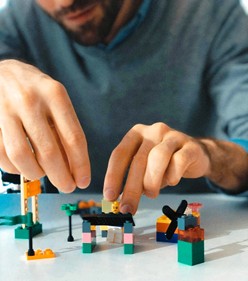
International LEGO Day gives us the perfect excuse to celebrate one of the most brilliant inventions ever built from the ground up. The humble LEGO block – small in size but mighty in creativity, with the power to inspire ideas and construct entire worlds from a handful of bricks.
From its origins in Denmark to its now-legendary interlocking design, LEGO has been shaping curious minds for generations. What looks like simple play is, in reality, a masterclass in learning. Problem-solving, spatial awareness, patience and teamwork are all meticulously woven into those brightly coloured bricks that invite us to build, dismantle and rebuild, again and again. No instruction manual required.
Which is just one reason LEGO has found a natural home in classrooms as well as playrooms. Teachers have long recognised its value as an educational tool, helping learners of all ages explore maths, engineering and creativity through hands-on play. It’s learning without the hard sell – engaging, intuitive and memorable precisely because it’s enjoyable.
And then there’s creativity for creativity’s sake. Whether you followed the instructions to the letter or proudly produced something entirely ‘unique’ (often with questionable structural integrity), LEGO has always encouraged us to think beyond the ordinary. Castles, spaceships, cities and creatures that defy known biology – if you can imagine it, LEGO helps us bring it to life on any available surface.
Of course, no celebration would be complete without acknowledging one universal truth: we have all experienced the sharp reminder that comes from stepping on a stray LEGO block. It’s a rite of passage, really – a shared moment of pain that connects builders everywhere, balanced by the joy of creating something remarkable from a pile of pieces.
While we – AquAid – haven’t yet used LEGO to build our water coolers; the water dispensed from our coolers is for drinking, see – staying well hydrated does play its part. Drinking water supports cognitive function, focus and creativity, helping us continue building amazing LEGO creations at any age, whether at work, in school or after hours.
And a final thought: perhaps it’s time to suggest a modest LEGO supply near the office water cooler. After all, what better way to refresh the mind while refilling your water cooler bottle than with a little creative construction?

by Fern Shaw | Jan 13, 2026 | Water, water cooler, Water Coolers
Just like that, the festive lights are packed away, the last mince pie crumbs have mysteriously disappeared and we’re easing ourselves into another brand-new year. December often feels like a blur of celebrations, cosy moments and perhaps one too many helpings of everything – but we wouldn’t have it any other way. From catchups with friends and family to those quiet, in-between days where time seems to slow down, the festive season has a habit of leaving us both content and slightly disoriented.
We hope you had a joyful festive season, full of laughter, rest and maybe even a little mischief. And we have to ask … did anyone actually decorate their water cooler? We like to imagine a few tinsel-wrapped taps, a stray string of fairy lights and perhaps even the occasional Santa hat making a surprise appearance in the office or kitchen. After all, if you’re going to hydrate, you might as well do it in style.
As we step into brand spanking new year, filled with purpose, clarity, vision and healthy hydration habits, there’s a quiet sense of excitement in the air and, hopefully, a renewed commitment to looking after ourselves. January doesn’t have to be about drastic changes or unrealistic resolutions. Sometimes it’s simply about resetting, refocusing and choosing to do the small things a little better.
This year, how about we focus on creating small habits that make a big difference. Taking a moment to pause during a busy day. Remembering to refill your water glass before it’s empty. Choosing progress over perfection and feeling good about the direction we’re heading in, even if it’s one sip at a time. However you prefer to refresh your drinking water – hot, cold or ambient, remember, you’ll find the perfect solution among AquAid’s range of high-quality water dispensers.
There’s something refreshing about a new year – a chance to bring intention into our routines and clarity into our goals, while keeping things light-hearted and achievable. Healthy routines don’t have to be complicated; often, they start with the simplest choices.
Here’s to a year of clear minds, steady momentum and well-hydrated days ahead. We’re looking forward to every moment of it – and we’re glad you’re coming along for the journey.
Cheers to the year ahead!

by Fern Shaw | Dec 1, 2025 | mains fed water cooler, water cooler, Water Coolers
When colder days settle in, it’s all too easy to gravitate toward heavier comfort foods and – without even noticing – let our water intake slip. But with modern heating, cosy offices and indoor workouts, winter no longer needs to be the season of dehydration. One simple way to stay on track is by enjoying water-rich winter fruits and few deliver quite as powerfully as blackberries.
Blackberries may be small, but they pack a hydrating punch with 88% water content, plus fibre, Vitamin C, Vitamin K and a healthy spread of minerals like Potassium, Magnesium and Zinc.
They’ve been part of the British landscape (and diet) for thousands of years, growing abundantly across hedgerows nationwide. Luckily, they’re also available year-round – an easy, tasty way to support hydration, even when the idea of drinking glass after glass feels less appealing in chilly weather.
Still, the simplest and most reliable path to good hydration is, of course, drinking water. Whether you’re in an office, school or remote workspace, a convenient water cooler makes staying hydrated effortless.
For busy spaces that prefer a plumbed-in option, mains fed water coolers provide a constant, unlimited supply.
If flexibility is more important, a bottled water cooler offers refreshing cool water without needing a fixed connection – just slot in the water cooler bottle and you’re set.
If your premises don’t yet have a hydration solution in place, it couldn’t be simpler to arrange one. With decades of expertise and a wide range of water coolers, water dispensers and tailored service options, you can easily contact AquAid to find the best fit for your space.
Stay warm, stay hydrated, enjoy your berries – you’re berry welcome.

by Fern Shaw | Nov 10, 2025 | Water Boilers, water cooler, water cooler, water dispenser
In today’s busy work environment, efficiency, convenience and employee wellbeing are key.
Installing a water dispenser or water cooler may appear to be a small change, but the benefits to workspaces, be they offices, warehouses or worksites, are far-reaching. From reducing wasted time to lowering running costs and maintaining excellent hygiene, a water dispenser offers much more than just refreshment.
Boosting Productivity and Saving Time
A water cooler can make a real difference to daily routines. Rather than waiting for the kettle to boil several times a day, employees can instantly access hot or cold water. This not only saves valuable minutes but also helps reduce bottlenecks in shared kitchen areas. Those minutes quickly add up to greater focus and smoother workflow across the team.
Cost Savings and Energy Efficiency
Running costs matter to every business. Kettles and traditional hot drink setups use considerably more electricity than a mains-fed water dispenser or hot water boiler. Switching to a water cooler can reduce energy usage and, in turn, lower bills. It’s a simple step that supports sustainability targets while delivering noticeable savings over time.
Convenience and Consistency at Work
From open-plan offices to manufacturing floors, having a constant supply of fresh water on hand keeps things running smoothly. A mains-fed cooler provides uninterrupted service, meaning no downtime for refilling or waiting. For workplaces with larger teams, that reliability keeps everyone hydrated and operations efficient.
Professionally Maintained for Peace of Mind
Hygiene is essential in any shared workspace. Regular servicing and sanitisation ensure clean, safe water and extend the lifespan of the water dispenser. AquAid service all mains-fed water dispensers every six months and all bottle-fed coolers every three months – with these services being performed by their WHA accredited engineers. That professional care gives businesses confidence in both quality and compliance.
A Small Change with Lasting Benefits
A water dispenser is a simple upgrade that delivers practical and long-term benefits – saving time, cutting costs and improving the workplace environment for everyone.

by Fern Shaw | Oct 27, 2025 | Water Boilers, water cooler, Water Coolers
You’d think it would be simple, right? Water is just two hydrogen atoms and one oxygen atom. So why can’t we just mix them together and end the world’s water shortages once and for all?
Well, as it turns out, that’s where things get a little … explosive.
The Science Bit (Without the Headache)
To create water, you need both hydrogen and oxygen atoms. Mixing them together, however, doesn’t magically make water – you just end up with a room full of flammable gas and some nervous scientists.
For hydrogen and oxygen to truly bond, their electrons need to link up. And that requires a sudden burst of energy, basically a spark, to get the atoms to ‘hook up’.
Sounds easy enough, but here’s the problem: hydrogen is highly flammable and oxygen feeds fire. Put them together and one tiny spark later – boom! You get water … and possibly an impressive fireball.
So, What’s the Alternative?
Not to worry, there’s no need to start mixing gases in the office kitchen to stay hydrated. There are brilliant minds out there working on safer, sustainable ways to generate water.
For now, if you’re after a reliable and constant source of water that doesn’t go ‘boom’ when you drink it, speak to us at AquAid.
Safe, Healthy Hydration
Explore our range of water coolers, hot water boilers and water fountains – the perfect solution for all your drinking water needs – for offices, worksites, schools, hotels and anywhere else you’d rather keep things calm, cool and well hydrated.
Not sure which water cooler suits your needs? Contact us at AquAid where one of our friendly team will be happy to help you find the perfect fit.
Just one note – our water coolers aren’t designed for scientific experiments. Best leave that to the professionals!