by Fern Shaw | May 27, 2012

Are you dehydrated?
A massive 96% of UK office workers are reported to be dehydrated. A mere 2% drop in hydration can lead to a 20% drop in concentration.
Staying hydrated is crucial for maintaining your physical and mental well being. A simple way of determining your hydration status is by looking at the colour of your urine and comparing it with the colour chart on the left.
When you are drinking enough water your body is in balance and your urine will be a pale straw yellow colour (hydrated).
When you have not drank enough water your kidneys try to save as much water as they can and cause your urine to be darker in colour (Dehydrated).
Below are just some of the effects of dehydration:
- Fatigue
- Headaches
- Nausea
- Confusion
- Painful urination
Thankfully, regaining hydration is simple. One or two cups of water will quickly give the body the water it needs and help you maintain a healthy and active life.
Why not download our PDF and enable yourself to put a chart up in your toilets to help your staff stay hydrated – Download the pdf here.

by Fern Shaw | Oct 12, 2026 | Water, water cooler, Water Coolers
We tend to notice our joints only when they complain. Knees, hips, fingers, shoulders – suddenly, we become very aware of just how vital their ease of movement is to our health and well-being.
This World Arthritis Day, we explore some of the ways we can support our joints, bones and muscles.
Water works behind the scenes
Water plays a key role in the fluid around our joints, helping to cushion and lubricate them, while also supporting normal muscle function. Staying hydrated won’t cure arthritis but it can help our bodies function more comfortably and with less strain.
A little extra support
Did you know that pennywort, turmeric and ginger have all attracted interest for their potential anti-inflammatory properties? These natural ingredients have a long history of traditional use and research continues to explore their possible benefits for joint health.
Alongside drinking enough water, a healthy, balanced diet provides another way to support our bodies. You may even have come across the idea of an alkaline or pH-balanced diet to support joint health. It’s an interesting area of discussion and a reminder of just how much attention is given to the connection between what we consume and how we feel.
Keep moving
Movement is another important part of looking after joints and muscles. Regular physical activity can help maintain strength, flexibility and range of movement, while stronger muscles can provide support around vulnerable joints.
That doesn’t have to mean running a marathon or taking up an entirely new hobby. A walk, a swim, some gentle stretching or simply getting up and moving around during the day can all make a positive difference.
So, this World Arthritis Day, perhaps the message is less about what our joints can’t do and more about giving them a little support for everything they do.
Fill up your glass, take a drink and keep moving where you can. Your future self – bones, joints and muscles – may benefit.
Sources
NHS
British Dietetic Association
Arthritis Foundation

by Fern Shaw | Sep 28, 2026 | water cooler, Water Coolers
How many hours are spent looking at a screen during the average day?
Between computers, phones, tablets and the other screens that have become part of everyday life, our eyes get very little time off. By the end of a busy day, tired, dry or irritated eyes can be a familiar feeling.
With World Sight Day taking place in October, it’s a good opportunity to look at something we don’t always associate with eye health: hydration.
Our Eyes Need Water Too
Our eyes rely on a thin layer of tears to stay lubricated and comfortable. Tears do more than simply keep the surface of the eye wet. They also help protect the eyes and provide a smooth surface for clear vision.
Drinking enough water supports the body’s normal fluid balance, including the fluids involved in keeping the eyes comfortable. When we’re not drinking enough, we may notice signs of dehydration elsewhere too, such as tiredness, headaches or a dry mouth.
And then there’s screen time.
Eyes and Screens
When we’re concentrating on a computer screen or phone, we tend to blink less frequently. That can mean the tear film on the surface of the eye evaporates more quickly, leaving eyes feeling dry, tired or irritated.
It’s not necessarily the screen itself that’s the problem. It’s often the way we use it.
Taking regular breaks, remembering to blink and adjusting screen position and lighting can all help reduce the strain that comes with prolonged screen use. And, of course, keeping a glass or bottled water within easy reach is a useful reminder to drink regularly too.
Don’t Forget the Water
It’s surprisingly easy to become absorbed in a busy working day and realise several hours have passed without a proper drink.
Having drinking water readily available makes regular hydration easier to maintain. A water cooler in a communal area, for example, provides an obvious opportunity to pause, refill and step away from the screen for a moment.
That short break can do more than top up your water. Looking away from the screen gives your eyes a chance to rest too.
As we explored in our Brain Health feature, hydration can support concentration and mental alertness as well. So, a quick water break can be a useful reset for more than just your eyes.
A few habits that can make a difference:
- Having water readily available makes it easier to drink throughout the day.
- If you’re working at a screen for prolonged periods, give your eyes regular breaks. The 20-20-20 approach – looking at something around 20 feet away for 20 seconds every 20 minutes – is one commonly recommended way to do this.
- It sounds obvious, but concentrated screen use can reduce how often we blink. Making a conscious effort to blink regularly can help keep the eyes lubricated.
- Regular eye examinations can identify changes in vision and other eye problems, sometimes before you notice any symptoms yourself.
Our eyes work hard from morning to night, particularly when much of the day is spent reading, concentrating and looking at screens.
Staying hydrated won’t solve every cause of tired or dry eyes, but it’s a pretty simple part of looking after your general health and supporting your body’s normal functions.
And sometimes, stepping away from the screen for a glass of water is exactly the break your eyes – and the rest of you – needs.
by Fern Shaw | Sep 9, 2026 | water cooler, Water Coolers
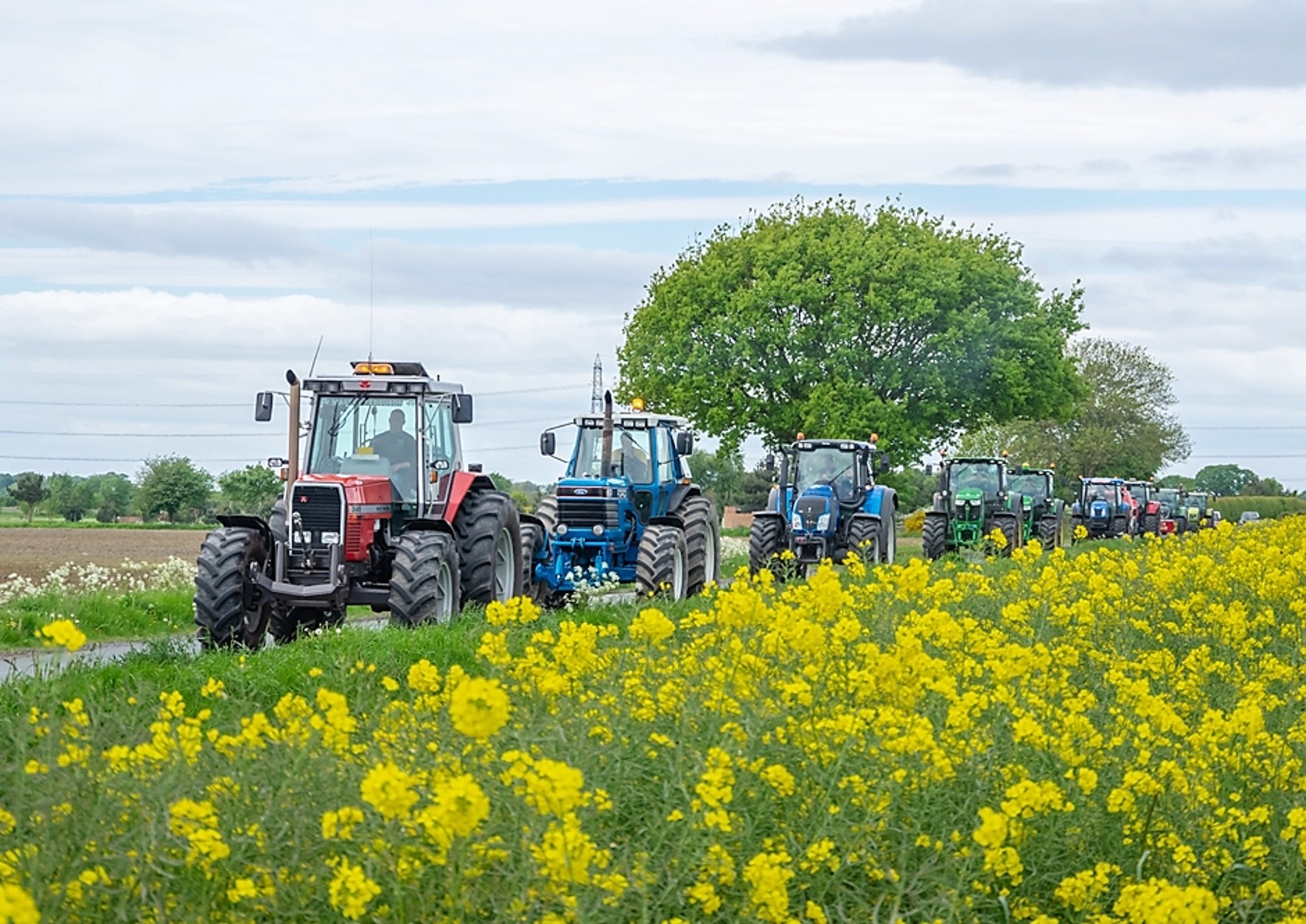
What do a water cooler, a tractor and a wheatsheaf have in common? More than you might think.
We all know that staying hydrated during the working day is important, whether you’re refilling a glass at the water cooler between meetings or simply keeping a bottle of water to drink on your desk. But while we’re taking a sip, it’s worth thinking about where another everyday essential comes from: our food.
That’s where Back British Farming Day comes in.
From field to fork
It’s an opportunity to recognise the farmers and growers who produce the food we rely on every day and the enormous amount of work that goes into getting it from the field to our plates.
British farming is about much more than growing crops and raising livestock. Farmers also play a major role in looking after the countryside, with agriculture managing around 71% of the UK’s land.
And there’s plenty of variety in what’s produced here. In fact, the UK is home to more than 700 different types of cheese. So that humble cheese sandwich at lunchtime suddenly has a rather impressive story behind it.
Spot the red tractor
You may have seen the Red Tractor logo on food packaging. It’s one of the familiar signs consumers can look for when buying British produce, providing assurance that food meets recognised standards for safety, traceability and production.
Then there’s the wheatsheaf pin badge, traditionally worn during Back British Farming Day to show support for British agriculture.
Both have become familiar symbols of a much bigger story: the people, land and hard work behind the food we eat.
And if you need another reason to appreciate the humble wheat field, consider this: an area of wheat roughly the size of a football pitch can produce enough grain for around 11,500 loaves of bread.
Not bad for a field!
A little closer to home
Back British Farming Day is a useful reminder that the food on our supermarket shelves doesn’t simply appear there. Behind it are farmers, growers and rural communities working throughout the year, whatever the weather.
So next time you fill your glass, grab a sandwich or sit down for lunch, spare a thought for the journey that food has taken to get there.
From field to the fork, there’s a lot more going on behind the scenes than we might realise.
Sources
National Farmers’ Union (NFU)
Red Tractor
by Fern Shaw | Sep 8, 2026 | water cooler, Water Coolers, water dispenser
We’ve all done it. There’s a job that needs doing, but suddenly the washing needs sorting, the kitchen needs cleaning or that email you’ve been avoiding for three days becomes really important.
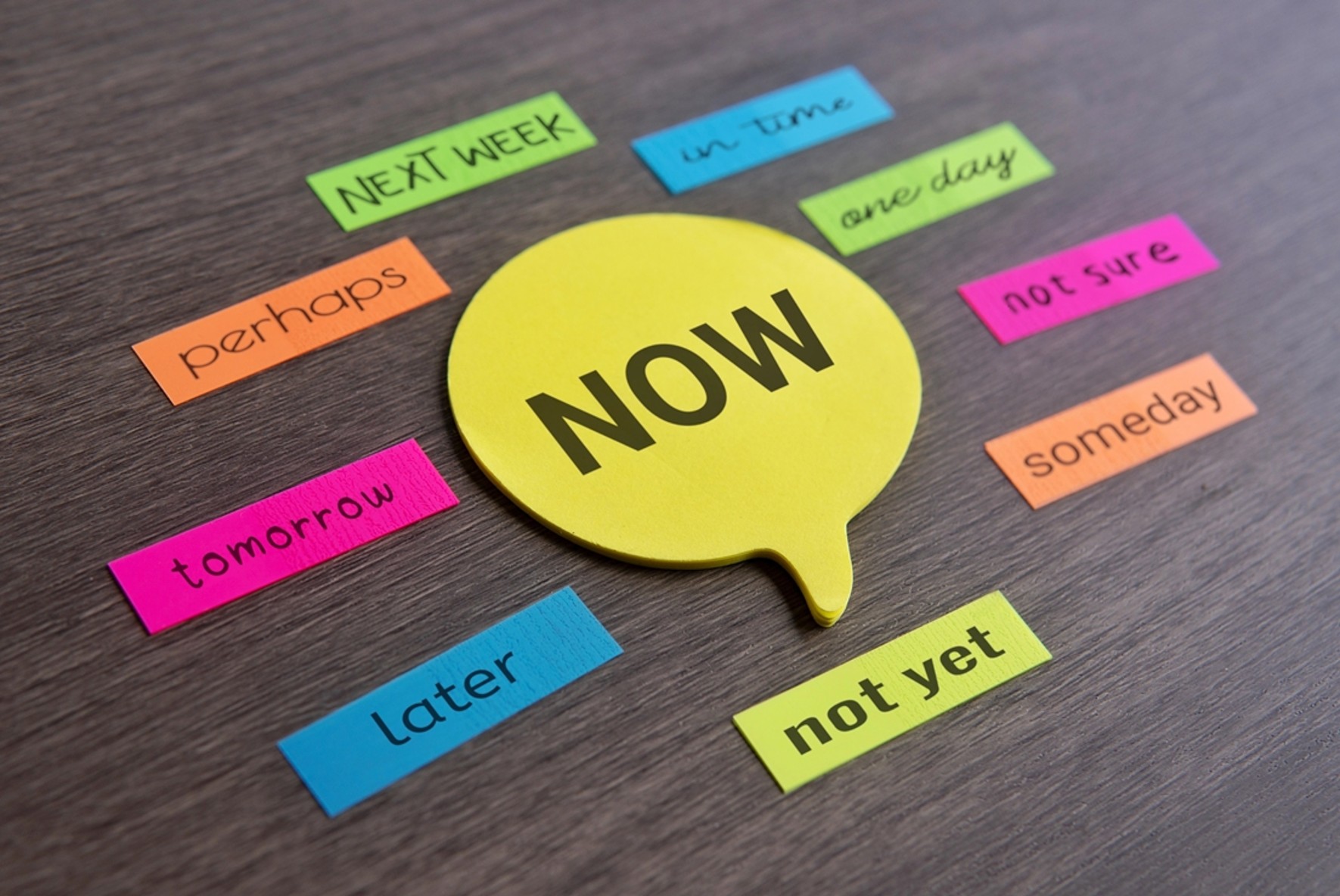
Welcome to procrastination – putting off something you don’t particularly want to do and promising yourself you’ll get round to it later.
It’s hardly a new habit. The ancient philosophers apparently had plenty to say about procrastination and the word itself appeared in the Oxford dictionary way back in 1548. So, in fairness, we’ve had an extraordinarily long time to get better at it. We just haven’t quite got round to it yet.
How do we stop putting things off?
One useful trick is to make the task feel less daunting. If you’re looking at a mountain of jobs, break it down into smaller steps and tackle them one at a time. Knowing where to start can be half the battle.
And before you reach for another coffee, there’s something else worth considering: water.
Staying hydrated is important for normal brain function and research has found that dehydration can affect aspects of cognitive performance. In one study, drinking water after dehydration improved performance on judgement and decision-making tasks. (PubMed)
Could your water cooler be an unlikely ally in the fight against procrastination?
Possibly. Keeping water to hand and drinking regularly can help you stay hydrated, which may help you think more clearly and avoid that foggy-headed feeling. And when your brain is feeling sharper, tackling that awkward email, making a decision or finally starting that job you’ve been putting off might seem a little easier.
Of course, no amount of water is going to make tidying the garage exciting. But it might help you decide that now is the time to get started.
So, whether it’s on Fight Procrastination Day itself or before or after, fill your glass at the water dispenser, pick one thing you’ve been putting off and get it done.
You can always procrastinate tomorrow.