by Fern Shaw | Oct 19, 2026 | mains fed water cooler, Water Boilers, water cooler, Water Coolers
There’s a point when the weather turns cooler and our habits begin to change. Coats, puffer jackets and boots reappear, windows stay closed and the appeal of drinking chilled water can give way to something warmer. Even the quick refresh at the water cooler might become a little less frequent.
But does our need for drinking water change with the temperature?
Out with the Sun, Out with the Water Bottle?
During warmer weather, drinking water tends to be more front of mind. We feel hot, we sweat more and reaching for a drink comes naturally. When temperatures drop, thirst may be less noticeable, so it’s easy to drink less without really thinking about it.
The trouble is that our bodies still need water throughout the year. Colder weather doesn’t mean hydration can be put on hold, even if the urge to reach for a chilled drink has lost some of its appeal.
The trick is to keep drinking regularly rather than relying entirely on feeling thirsty. Keeping our bottled water topped up and nearby is a useful reminder, particularly when work gets busy and the next meeting seems to arrive before the last one has finished.
A Change of Temperature, Not a Change of Habit
Seasonal changes can influence what people reach for. Some will continue to favour cold drinking water, while others may be more tempted by a hot drink.
A well-positioned water cooler can keep drinking water readily available, whatever the weather. And where preferences change, having access to hot water, such as a hot water boiler or a hot and cold water cooler can be useful.
For organisations reviewing their facilities, the practical considerations remain much the same. Whether a site uses mains fed water coolers or another arrangement, the aim is to make drinking water accessible throughout the day.
Keep the Water Habit Going
Of course, the weather rarely follows a timetable. A chilly morning can turn into a surprisingly warm afternoon, and indoor heating can make a difference too. Our drinking habits need to accommodate more than the weather we see when we look out of the window.
So, as the seasons change, there’s no need for a complete rethink. Keep water within reach, drink regularly and remember that the need for hydration doesn’t disappear when the summer clothes go back in the wardrobe.
The weather can do what it likes. Your water-drinking habit can stay put.

by Fern Shaw | Oct 12, 2026 | Water, water cooler, Water Coolers
We tend to notice our joints only when they complain. Knees, hips, fingers, shoulders – suddenly, we become very aware of just how vital their ease of movement is to our health and well-being.
This World Arthritis Day, we explore some of the ways we can support our joints, bones and muscles.
Water works behind the scenes
Water plays a key role in the fluid around our joints, helping to cushion and lubricate them, while also supporting normal muscle function. Staying hydrated won’t cure arthritis but it can help our bodies function more comfortably and with less strain.
A little extra support
Did you know that pennywort, turmeric and ginger have all attracted interest for their potential anti-inflammatory properties? These natural ingredients have a long history of traditional use and research continues to explore their possible benefits for joint health.
Alongside drinking enough water, a healthy, balanced diet provides another way to support our bodies. You may even have come across the idea of an alkaline or pH-balanced diet to support joint health. It’s an interesting area of discussion and a reminder of just how much attention is given to the connection between what we consume and how we feel.
Keep moving
Movement is another important part of looking after joints and muscles. Regular physical activity can help maintain strength, flexibility and range of movement, while stronger muscles can provide support around vulnerable joints.
That doesn’t have to mean running a marathon or taking up an entirely new hobby. A walk, a swim, some gentle stretching or simply getting up and moving around during the day can all make a positive difference.
So, this World Arthritis Day, perhaps the message is less about what our joints can’t do and more about giving them a little support for everything they do.
Fill up your glass, take a drink and keep moving where you can. Your future self – bones, joints and muscles – may benefit.
Sources
NHS
British Dietetic Association
Arthritis Foundation
by Fern Shaw | Oct 5, 2026 | bottle fed water coolers, mains fed water cooler, water cooler, Water Coolers
A theatre during a long production. A hotel preparing for a conference. A university campus at the start of term. At first glance, they don’t have much in common.
One is preparing for an audience. Another is getting ready to welcome hundreds of delegates. The third is about to fill with students, lecturers and staff after the relative calm of the holidays.
Yet there’s one thing they all have in common: people need somewhere to get a drink of water while everything else is going on. And that’s where things get interesting.
It’s not always where you’d expect
When we think about water coolers, it’s easy to picture the familiar office setting. A dispenser in a staff kitchen or break area, ready for someone to fill a glass or water bottle between meetings.
But water dispensers turn up in plenty of places that don’t look much like a traditional workplace.
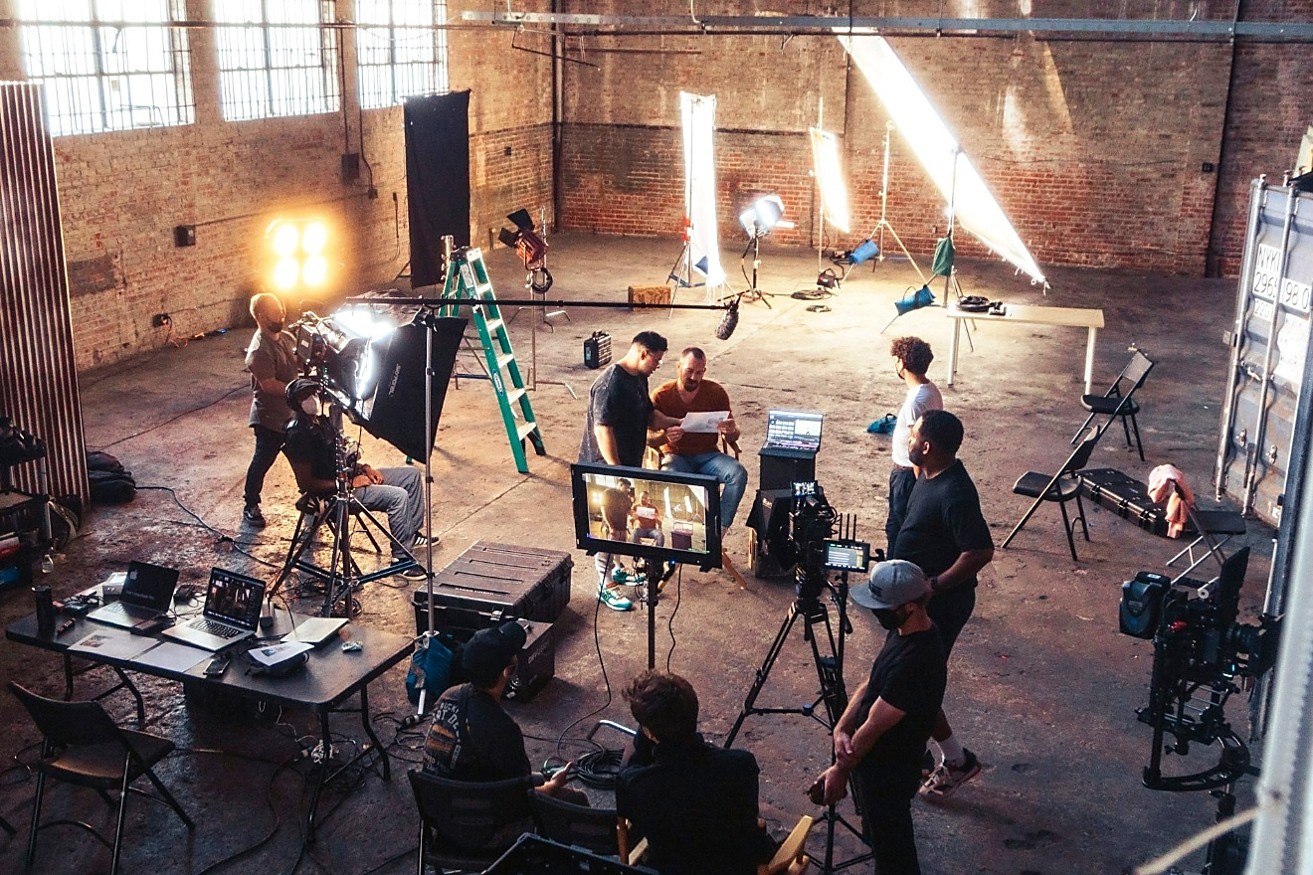
Take a theatre. During a long production, there’s a lot happening away from the stage. Performers, crew, technicians, front-of-house staff and other teams can all be working to different schedules, often for hours at a time.
A hotel has its own rhythm. Guest areas, staff spaces, kitchens, conference rooms and event facilities can all be in use at once, particularly when a large conference or function is taking place.
Then there’s a university campus, where ‘the workplace’ can stretch across lecture theatres, libraries, laboratories, sports facilities, offices and student areas.
The setting changes. The need doesn’t.
Busy places have busy water requirements
Some environments are busy all day. Others become busy at particular times.
A retailer might see a sharp increase in activity over a weekend. A construction site can change considerably as a project progresses, with different crews and contractors arriving and leaving. A medical facility may operate around the clock, with staff working shifts rather than a conventional nine-to-five day.
Even within the same building, different areas can have completely different patterns of use.
That means there isn’t necessarily one obvious place for a water cooler, or one type of water dispenser that suits every situation.
A busy reception area has different requirements from a staff room. A temporary worksite has different requirements from a permanent office. A conference venue preparing for an event may need additional drinking water provision for a particular period rather than indefinitely.
Sometimes it’s the environment that dictates the solution.
And then there’s everything happening around it
People don’t visit a water cooler because the water cooler is the main event.
They’re there because they’re about to go into a meeting. They’re heading back to work. They’re taking a break between performances. They’re preparing a room for a conference. They’re starting another shift. They’re moving between buildings.
The water is simply one of the practical things that needs to be available while all of that is happening.
Which is why location, capacity and the type of water dispenser can become important considerations, particularly in larger or more complex environments.
One need. Lots of settings.
The setting may change, but the need for an easily accessible hydration station remains. What that looks like can vary from a bottled water cooler or mains-fed dispensers to additional provision for a temporary event, project or change in demand.
Because it’s rarely the water cooler itself that’s the focus. It’s what is happening around it, and making sure drinking water is available as part of everything else that needs to work.
Wherever people are working, meeting, performing, studying, building or caring, drinking water is simply one more practical requirement that needs to be considered.

by Fern Shaw | Sep 28, 2026 | water cooler, Water Coolers
How many hours are spent looking at a screen during the average day?
Between computers, phones, tablets and the other screens that have become part of everyday life, our eyes get very little time off. By the end of a busy day, tired, dry or irritated eyes can be a familiar feeling.
With World Sight Day taking place in October, it’s a good opportunity to look at something we don’t always associate with eye health: hydration.
Our Eyes Need Water Too
Our eyes rely on a thin layer of tears to stay lubricated and comfortable. Tears do more than simply keep the surface of the eye wet. They also help protect the eyes and provide a smooth surface for clear vision.
Drinking enough water supports the body’s normal fluid balance, including the fluids involved in keeping the eyes comfortable. When we’re not drinking enough, we may notice signs of dehydration elsewhere too, such as tiredness, headaches or a dry mouth.
And then there’s screen time.
Eyes and Screens
When we’re concentrating on a computer screen or phone, we tend to blink less frequently. That can mean the tear film on the surface of the eye evaporates more quickly, leaving eyes feeling dry, tired or irritated.
It’s not necessarily the screen itself that’s the problem. It’s often the way we use it.
Taking regular breaks, remembering to blink and adjusting screen position and lighting can all help reduce the strain that comes with prolonged screen use. And, of course, keeping a glass or bottled water within easy reach is a useful reminder to drink regularly too.
Don’t Forget the Water
It’s surprisingly easy to become absorbed in a busy working day and realise several hours have passed without a proper drink.
Having drinking water readily available makes regular hydration easier to maintain. A water cooler in a communal area, for example, provides an obvious opportunity to pause, refill and step away from the screen for a moment.
That short break can do more than top up your water. Looking away from the screen gives your eyes a chance to rest too.
As we explored in our Brain Health feature, hydration can support concentration and mental alertness as well. So, a quick water break can be a useful reset for more than just your eyes.
A few habits that can make a difference:
- Having water readily available makes it easier to drink throughout the day.
- If you’re working at a screen for prolonged periods, give your eyes regular breaks. The 20-20-20 approach – looking at something around 20 feet away for 20 seconds every 20 minutes – is one commonly recommended way to do this.
- It sounds obvious, but concentrated screen use can reduce how often we blink. Making a conscious effort to blink regularly can help keep the eyes lubricated.
- Regular eye examinations can identify changes in vision and other eye problems, sometimes before you notice any symptoms yourself.
Our eyes work hard from morning to night, particularly when much of the day is spent reading, concentrating and looking at screens.
Staying hydrated won’t solve every cause of tired or dry eyes, but it’s a pretty simple part of looking after your general health and supporting your body’s normal functions.
And sometimes, stepping away from the screen for a glass of water is exactly the break your eyes – and the rest of you – needs.

by Fern Shaw | Sep 21, 2026 | water cooler, Water Coolers, water dispenser
Businesses rarely stand still for very long.
An office that once seemed spacious can suddenly feel rather cramped. A company moves into a larger premises, takes on another building or refurbishes the one it already has. A hotel adds new facilities. A university opens another teaching space. A construction project gets underway. A temporary site appears where there wasn’t one six months ago.
And while plenty of attention goes into desks, furniture, IT and everything else that needs moving, installing or reorganising, there’s another practical question that needs considering:
What happens to the drinking water?
The water cooler that was perfectly suited to a small office may not be quite so well suited once the workforce has doubled. A dispenser that worked in one corner of a building might no longer be in the right place after a refurbishment. And a permanent installation isn’t necessarily the answer when a business needs drinking water somewhere for a few weeks or months.
In other words, the water provision that made perfect sense two years ago may not make quite as much sense today.
Businesses change. Water provision can change with them.
There’s no single definition of a workplace these days.
A business might have a traditional office, a warehouse, several retail locations and a head office. A hotel might have guest areas, conference facilities and staff spaces. A university can have lecture theatres, libraries, sports facilities and administrative buildings spread across a large campus.
Then there are the less permanent arrangements: temporary offices, events, refurbishment projects and job sites that exist for a particular purpose and a particular length of time.
Each has its own demands.
That’s where having different options becomes useful. A business might choose to purchase a water cooler for a permanent location, while water cooler rental could make more sense for a temporary or changing requirement. A mains-fed water cooler may suit one part of a building, while bottled water coolers are a more practical option elsewhere.
Sometimes it’s simply a matter of putting the right equipment in the right place.
The move itself is only part of the story
Moving into a new building is a good opportunity to look at what is actually needed rather than automatically recreating what was there before.
Perhaps there are now more people using the building. Perhaps there are several floors instead of one. Perhaps the staff kitchen has moved, the reception area is busier or a previously unused space has become a meeting area.
Even the position of a water dispenser can make a difference to how useful it is.
The same applies when a business isn’t moving at all. A refurbishment, expansion or change in how a building is used can be enough to make existing arrangements worth reconsidering.
And sometimes the change is temporary.
A company may need additional water coolers while work is being conducted on its main premises. A theatre may require extra provision during a production. A construction project will have different requirements as the site develops. An event may need bottled drinking water brought in for a defined period.
Not every requirement needs to become a permanent fixture.
There’s no rule saying it has to stay the same
Perhaps that’s the simplest way of looking at it.
Your business has changed. Your building has changed. The way people use that building has changed.
So why shouldn’t the way you provide drinking water change too?
Whether that means installing a new water cooler, moving existing equipment, adding temporary cooler placements, arranging bottled water delivery or switching from one type of dispenser to another, the right solution is likely to depend on what the organisation actually needs now.
Because sometimes the most sensible thing to do with a water cooler is not to leave it exactly where it was.
Especially when everything else has moved on.